Artificial intelligence has become one of the defining technologies of this decade. Quantum computing is following a different path slower, more experimental and technically challenging, but potentially transformative. Now, the two technologies are beginning to converge.
A recent Forbes article by Michael Ashley explores how artificial intelligence and quantum computing could work together to create a new model of computing one in which AI systems help researchers use quantum processors remotely, potentially unlocking applications that are difficult or impossible for classical computers to handle.
The important point is that quantum computing may not arrive as a replacement for today’s computers. Instead, it could become another layer of computing infrastructure, working alongside CPUs, GPUs and AI systems.
Quantum Computing Is Not About Replacing Your Laptop
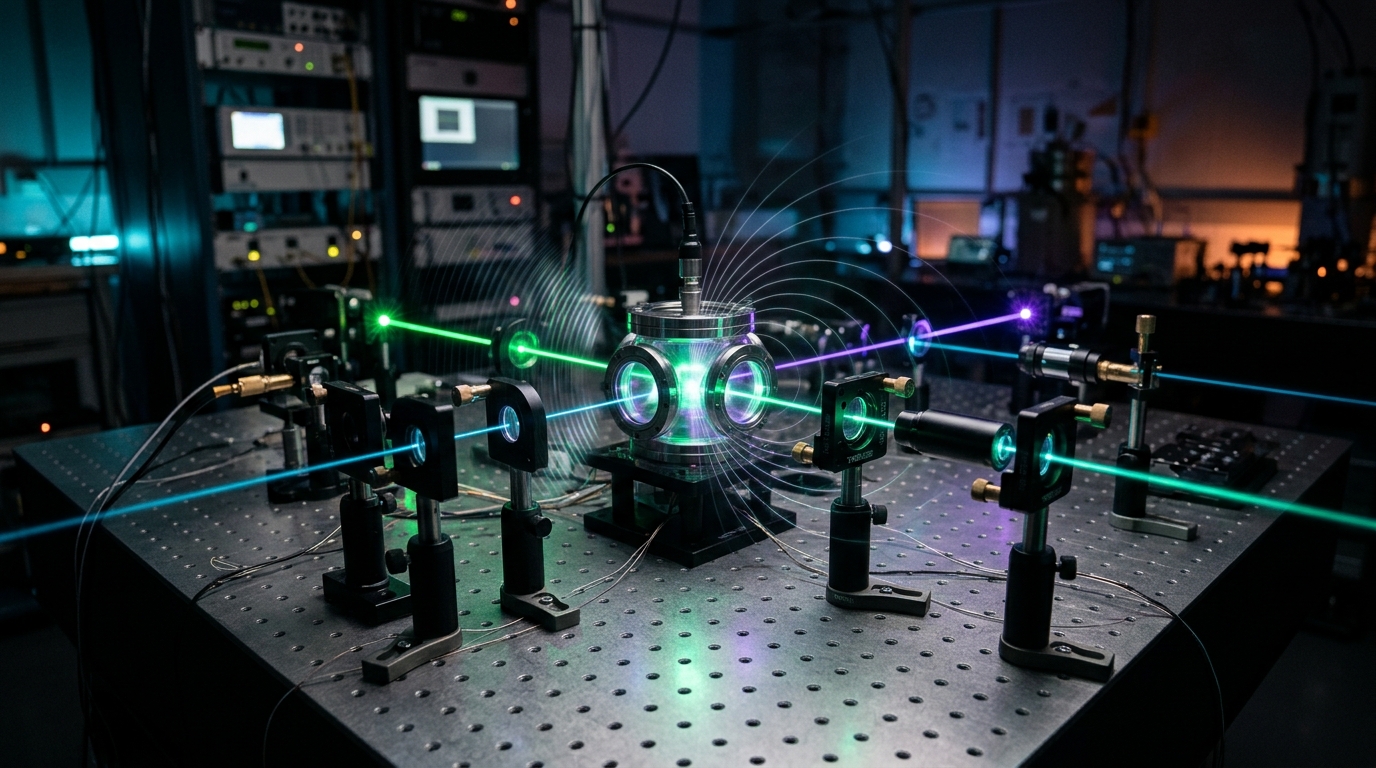
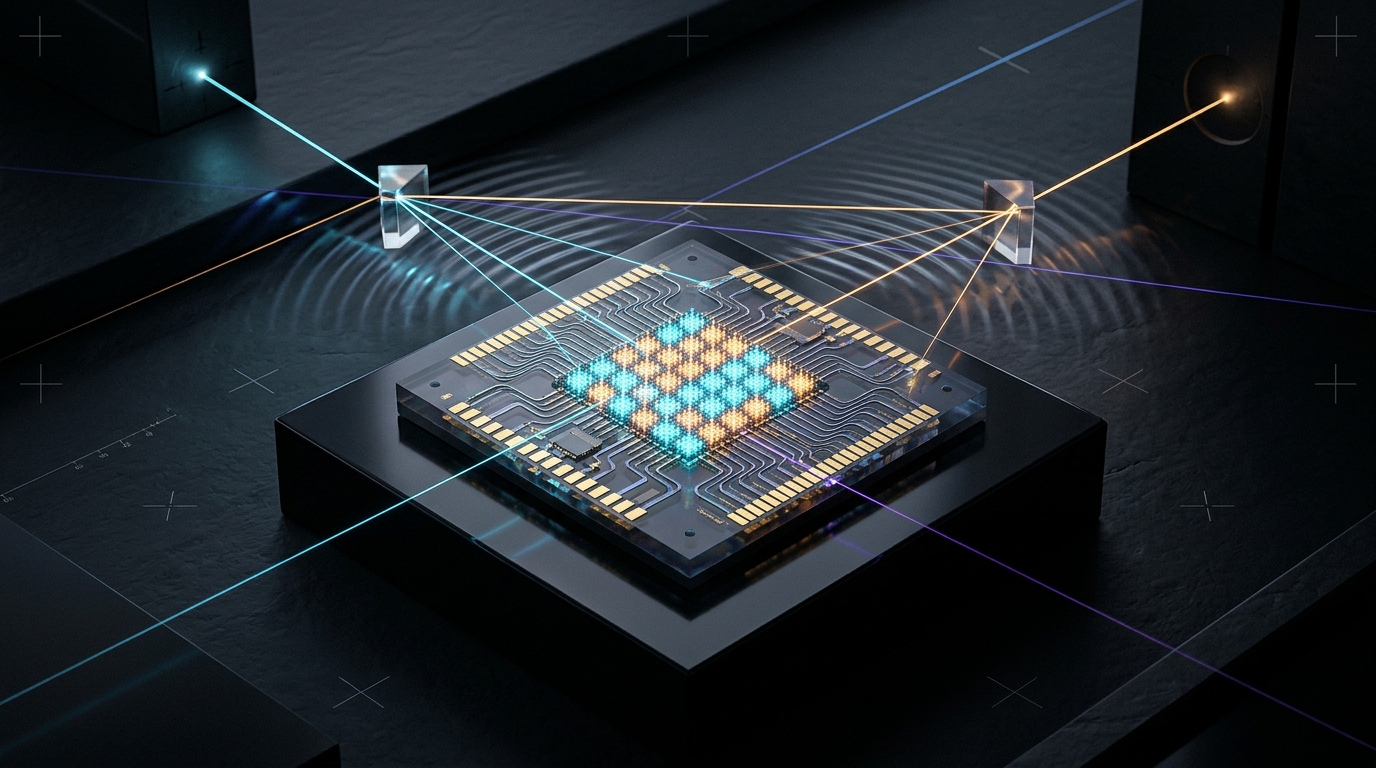
Quantum computers work fundamentally differently from classical computers. Traditional computers process information using bits represented as 0s and 1s. Quantum computers use qubits, which can exploit quantum mechanical properties such as superposition and entanglement. This gives quantum computers the potential to approach certain extremely complex problems in fundamentally different ways.
But there is a major practical challenge. Quantum processors are highly sensitive machines. Many quantum systems require sophisticated infrastructure and extremely low temperatures to maintain the conditions needed for reliable computation.
That makes the idea of putting a quantum computer on every desk unrealistic. A more likely future is quantum computing as a cloud service. Instead of owning a quantum computer, a researcher could send a problem to a remote quantum processor in a specialized data center and receive the results. That model would make quantum computing much more accessible.
The Role of AI
This is where artificial intelligence becomes particularly interesting. AI systems are already being used to analyze enormous amounts of information, identify patterns, generate hypotheses and assist researchers. Quantum computers, meanwhile, could eventually provide specialized computational capabilities for certain classes of difficult problems. Put them together and the relationship could become complementary:
- AI could help decide what to calculate.
- Quantum processors could perform specialized calculations.
- Classical computers could handle the rest of the workload.
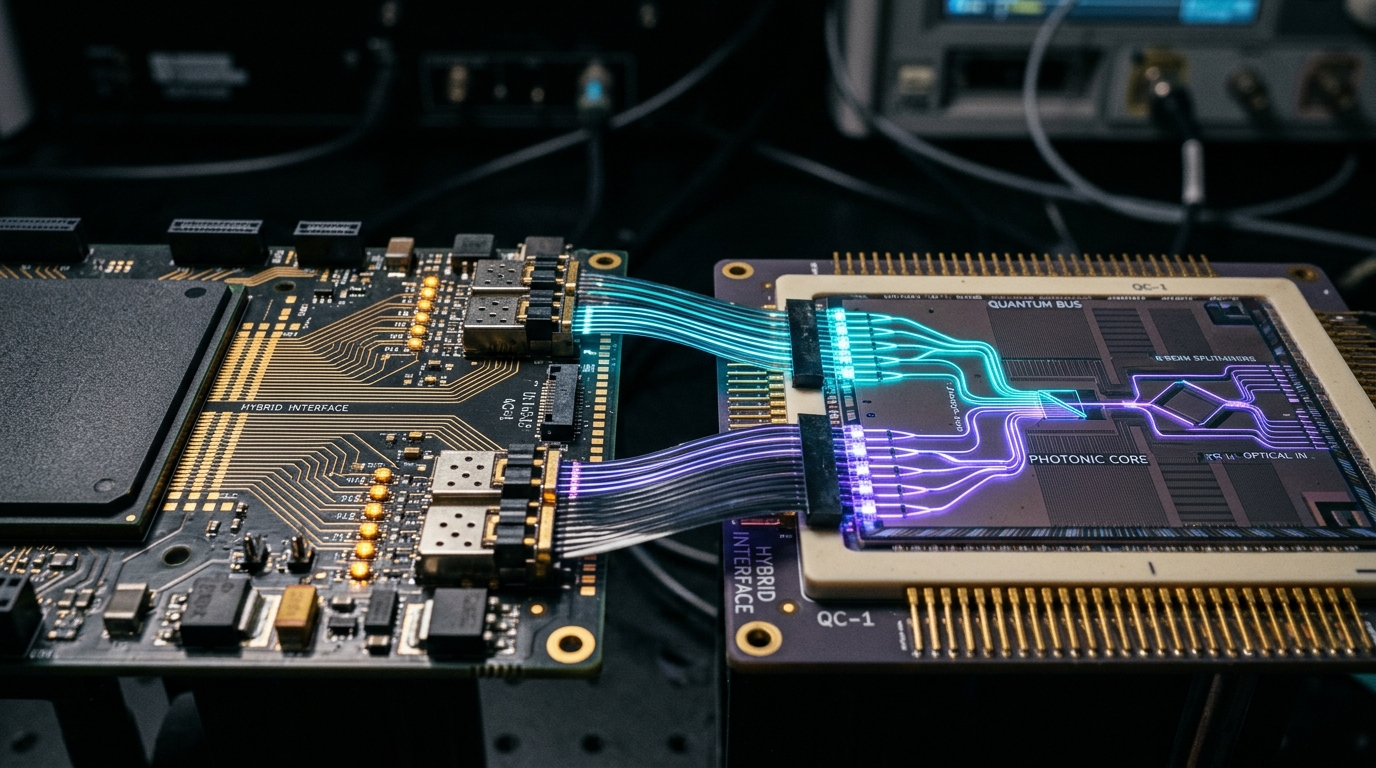
Rather than thinking of AI and quantum computing as competing technologies, it may be more useful to view them as components of a larger computing ecosystem.
From AI Agents to Quantum Systems
The growth of agentic AI makes this possibility even more interesting. AI agents are increasingly being designed to perform multi-step tasks, analyze information, generate hypotheses and assist with research. The next step could be connecting these systems to specialized computing resources.
Imagine an AI research assistant that encounters a problem that is particularly suitable for quantum computation. Instead of attempting to solve everything using conventional processors, the AI could potentially identify the appropriate quantum algorithm, send the task to a remote quantum computer and then combine the quantum result with classical calculations.
Human researchers would remain responsible for interpreting and validating the results. This type of human-and-AI collaboration is already being explored in scientific research. Forbes notes Microsoft’s “scientist in the loop” approach, in which AI agents can assist researchers while humans remain involved in decision-making.
Drug Discovery Could Be One of the Biggest Opportunities
Drug discovery is an enormous computational challenge. Researchers need to understand molecular structures, interactions and potential drug candidates before they can move into laboratory testing and clinical development. AI has already become an important tool for exploring biological data and identifying promising molecules. Quantum computing could eventually add another layer of computational capability.
The Forbes article points to research involving the University of Toronto and Insilico Medicine, where quantum computing, generative AI and classical computing were combined to investigate molecules targeting KRAS, a cancer-related protein that had historically been considered difficult to target.
This does not mean quantum computers have suddenly solved drug discovery. The significance is that researchers are beginning to experiment with hybrid approaches in which classical computing, AI and quantum computing work together.
If these methods continue to improve, the long-term impact could be significant. Drug candidates could potentially be explored faster, researchers could test more possibilities computationally and some stages of preclinical research could become more efficient.
Quantum Computing Could Also Change Scientific Research
Quantum computers are particularly interesting for problems involving quantum systems themselves. Chemistry, materials science and fundamental physics all involve complex interactions that can be difficult to simulate accurately using conventional computers.
As quantum processors become more capable, researchers could use them to investigate problems involving molecular behavior, quantum materials, quantum dynamics and other areas of physics. This could eventually lead to discoveries that are difficult to make using today’s computational tools.
The exciting part is that many of the most valuable applications may not even have been identified yet. Technology often creates possibilities that researchers could not have predicted before the underlying capability existed.
Conclusion
The combination of AI and quantum computing is still at an early stage, but the direction is becoming clearer. AI can help humans navigate increasingly complex scientific and computational problems. Quantum computers could eventually provide new capabilities for solving certain problems that challenge classical machines.
From drug discovery and materials science to fundamental physics and cybersecurity, the potential applications are broad. But the biggest breakthrough may not come from quantum computing alone. It could come from connecting quantum processors to AI and classical computing in a seamless hybrid system.
The question, therefore, is no longer simply whether quantum computers will become useful. It is what happens when highly capable AI systems gain access to them. And that may be where the next chapter of computing begins.
Source:
Forbes - Michael Ashley, When AI Marries Quantum Computing, September 2, 2026.