For a long time, physicists were pretty certain about the rules of quantum entanglement. If you wanted to link two particles together, you absolutely needed a highly controlled lab and some very expensive, power hungry lasers.Getting particles to entangle is incredibly hard. Everyone in the scientific community assumed you needed perfectly organized light to pull it off. Honestly, nobody really considered that we might do it with something as messy and unpredictable as everyday sunlight. It just did not seem possible.But a recent breakthrough just showed us that this wild idea is actually a very real possibility. And it brings up an exciting question for the future of tech.
The Breakthrough That Made It Possible
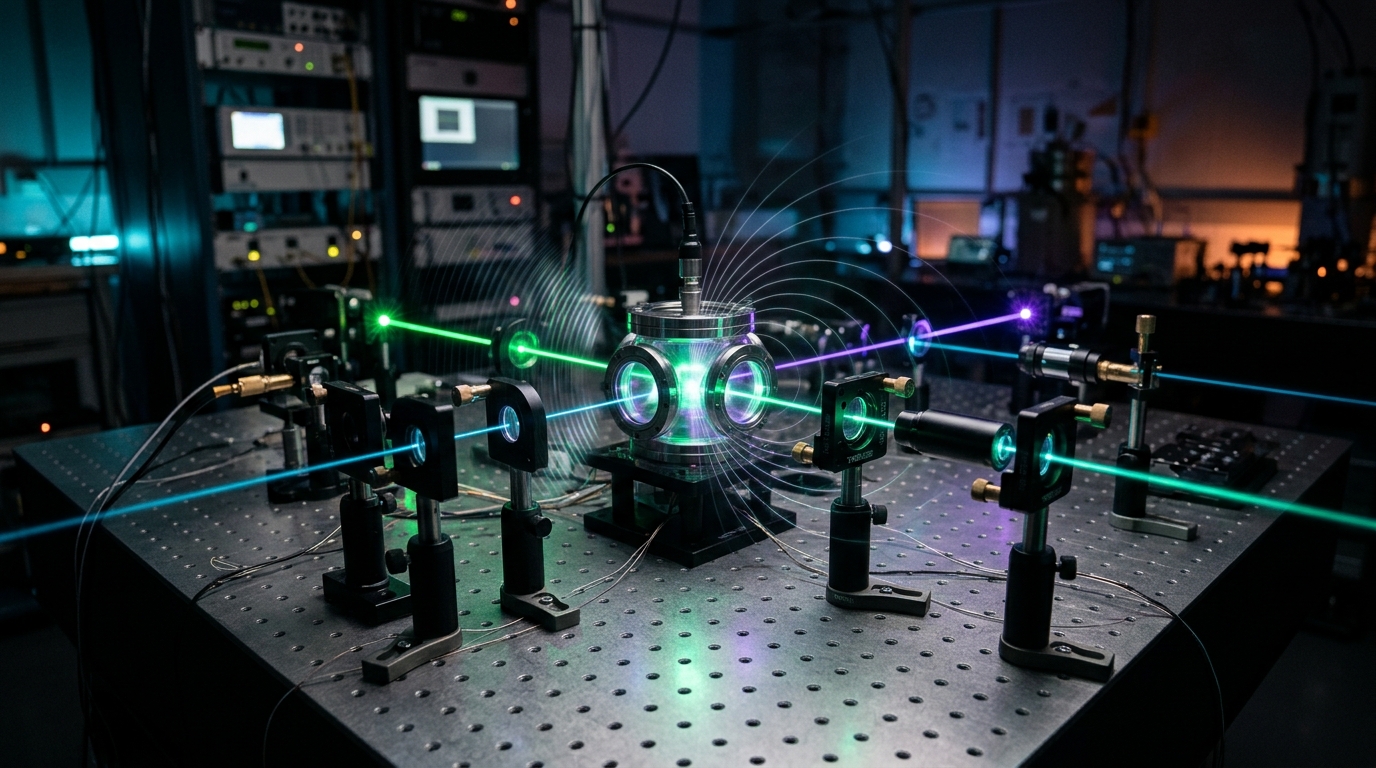
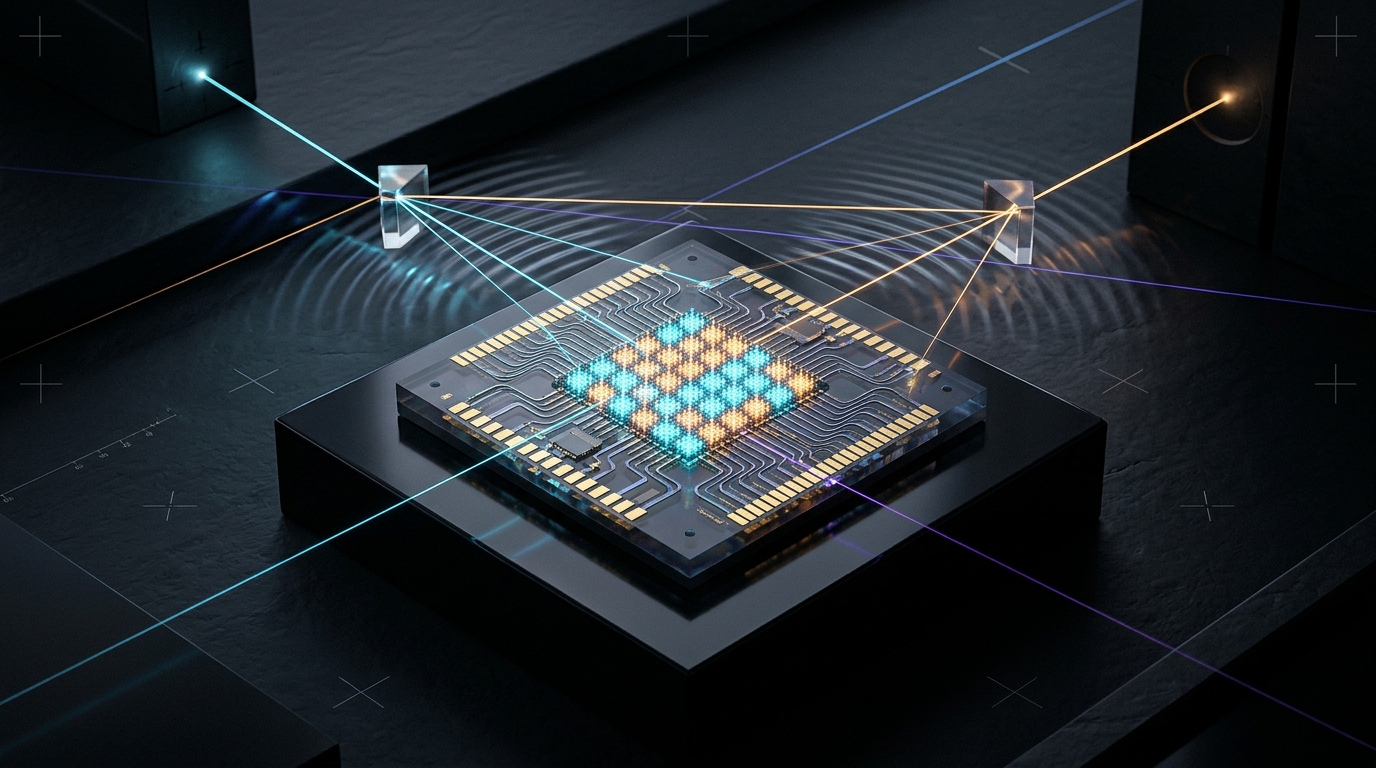
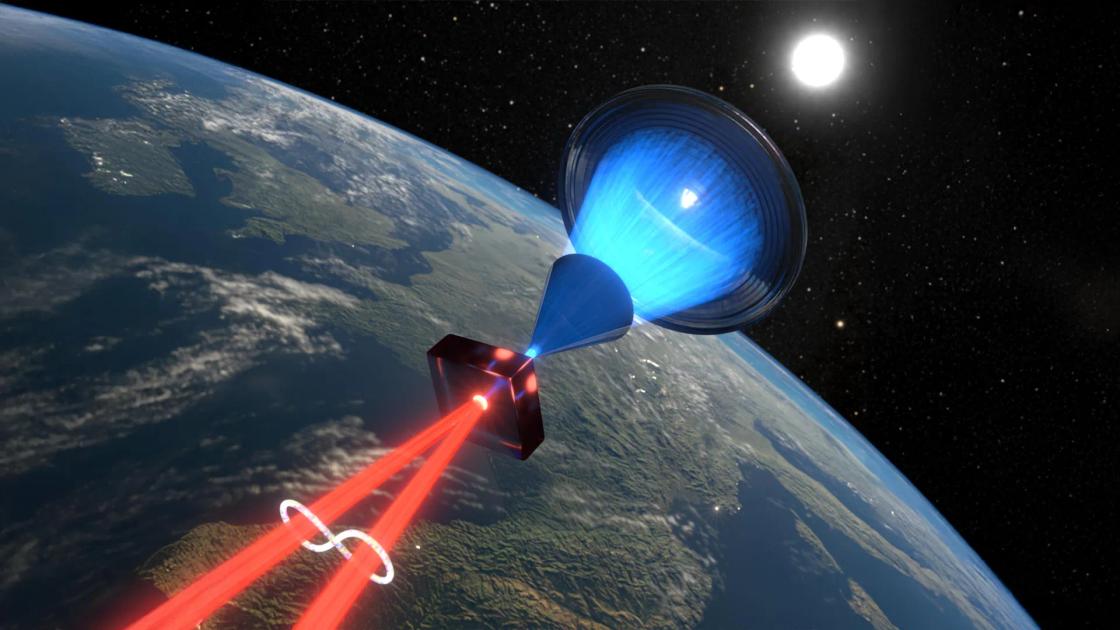
A team of researchers from the University of Ottawa and the Max Planck Institute recently showed that it is possible to create high quality quantum entanglement just by using the sun.They built a custom glass lens to funnel ordinary sunlight into a tiny optical fiber, and then they shined it onto a microscopic crystal. The result was amazing. The light split into perfectly linked photon pairs that were 94% identical to what you would normally get in a million dollar lab setup.They pulled off what many top experts doubted could ever happen. They proved that we do not actually need a highly controlled laser to create a quantum connection. Natural light is now a viable option.
Exploring the “What If”
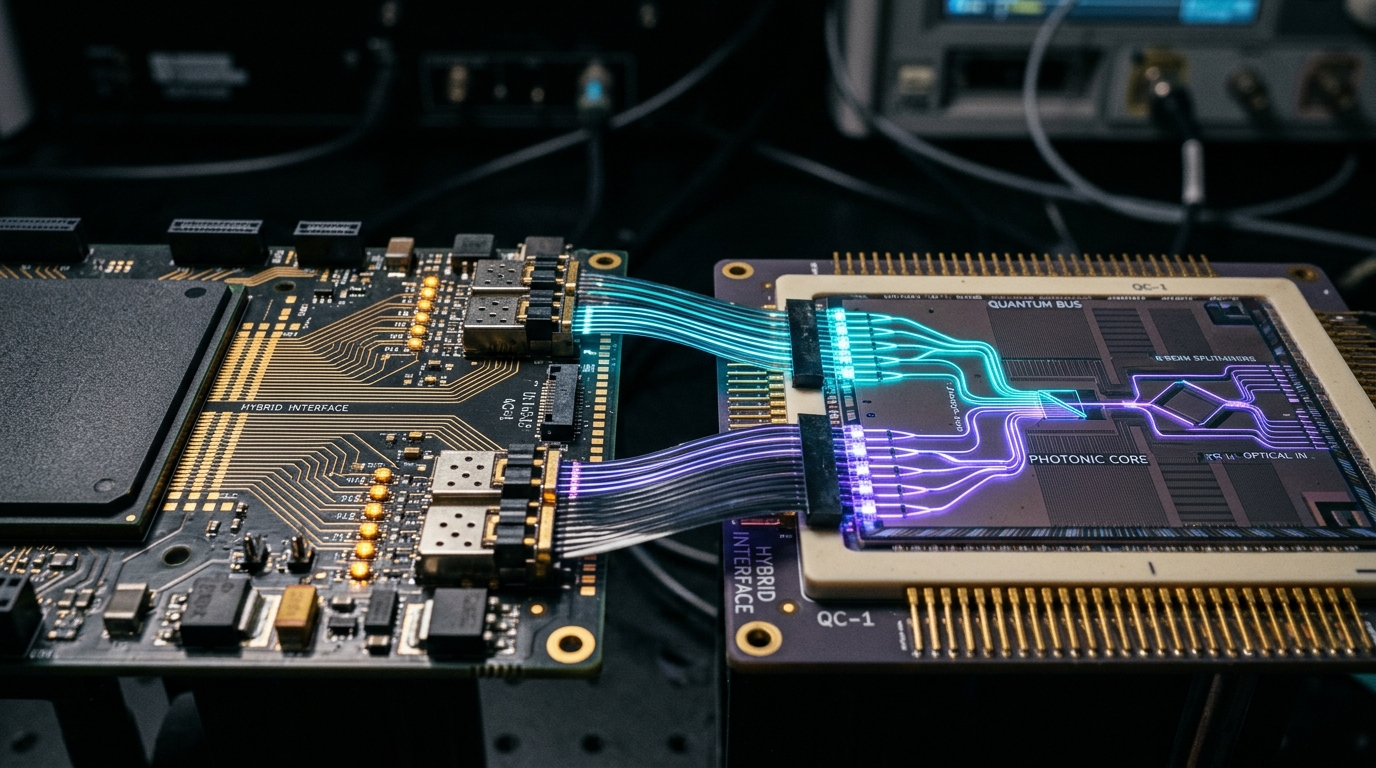
*This brings up a fascinating thought. What if we actually use sunlight for quantum computation?Right now, as we race to build quantum networks, we are hitting a wall with energy limits. Today’s systems eat up huge amounts of electricity. But if it is possible to power the core of this technology using natural light, a whole new range of possibilities opens up. *
Here is what might be possible in a sunlight driven quantum future:
Sustainable computing:* As quantum networks grow, their energy demands will skyrocket. If we can use the sun, it is possible we could scale this technology up without leaving a massive carbon footprint. *
***Better satellite security: ****Space is full of brilliant, unfiltered sunlight. Instead of weighing down satellites with heavy and delicate lasers, future communication networks could potentially use ambient solar energy to generate unbreakable encryption keys. *
Opening up research:* Lasers are incredibly expensive to build and maintain. By proving that natural light works, it is very possible we could lower the barrier to entry so more labs around the world can actually participate in quantum research.*
Looking Ahead
We are at a really exciting turning point. We are looking at a future where the most advanced computing technology in human history might just be powered by the oldest, most abundant energy source in our solar system.It is a great reminder that sometimes, things we think are impossible are actually just waiting to be discovered.What do you all think? Is it possible that solar powered quantum networks will become the new standard for global communication, or will lasers stay on top? I would love to hear your thoughts in the comments.
KEYWORDS: Quantum Computing, Techinnovation, Physics, FutureOfTech, Quantum, Quantum Physics, Quantum Entanglement, Computing, Quantum, Superposition, Siddhu Chelluru